Bipolar Disorder
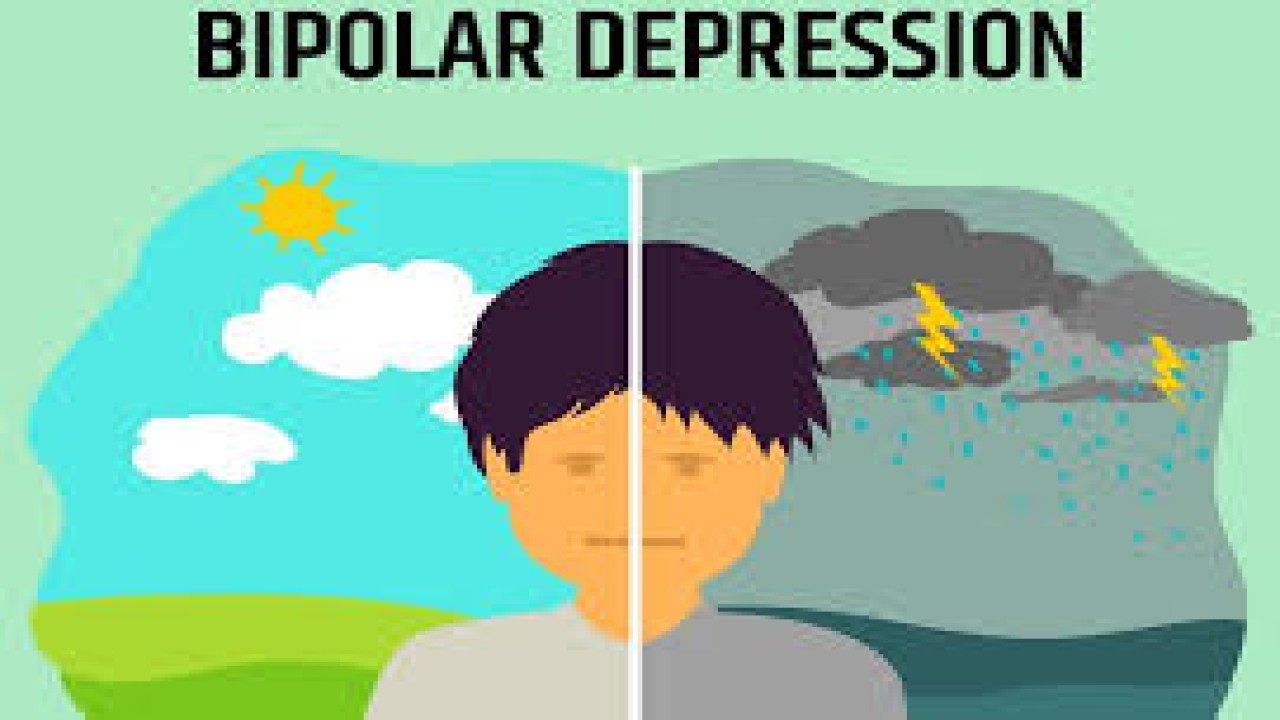
In 2019, 40 million people experienced bipolar disorder (1). People with bipolar disorder experience alternating depressive episodes with periods of manic symptoms. During a depressive episode, the person experiences depressed mood (feeling sad, irritable, empty) or a loss of pleasure or interest in activities, for most of the day, nearly every day. Manic symptoms may include euphoria or irritability, increased activity or energy, and other symptoms such as increased talkativeness, racing thoughts, increased self-esteem, decreased need for sleep, distractibility, and impulsive reckless behaviour. People with bipolar disorder are at an increased risk of suicide. Yet effective treatment options exist including psychoeducation, reduction of stress and strengthening of social functioning, and medication.


 What is OCD